Get a FREE Surety Bond Quote in MINUTES!

Most Bond Types
  • Page 1
  • Page 2
  • Page 3


Click here for Adjuster /Surplus Lines Bond
Click here for Title Bond

Are you an insurance agent? Click here

Texas Auto Dealer Bond Requirements

The Texas Department of Motor Vehicles (TxDMV) requires most independent dealers to obtain a $50,000 motor vehicle dealer surety bond before receiving a General Distinguishing Number (GDN) license. This requirement applies to independent motor vehicle dealers, motorcycle dealers, wholesale dealers, mobility vehicle dealers, and wholesale auctions. Separate bonds may be required for different GDN categories.

Texas uses the term “motor vehicle dealer surety bond” for this license requirement. The bond protects consumers and the state if a dealer violates licensing laws, fails to transfer titles correctly, or does not comply with tax and fee requirements.

The bond must remain active throughout the license period. JM Surety helps Texas dealers secure their required bond quickly, including applicants with credit challenges.

Indiana Auto Dealer Bond Requirements

The Indiana Secretary of State Auto Dealer Services Division requires dealers to carry a $25,000 auto dealer bond as part of the licensing process. The bond guarantees payment of fines, fees, penalties, and other obligations assessed by the state.

Indiana requires dealers to use the current State Form 53966 bond form. As of October 1, 2024, bond updates and insurance changes must be submitted electronically through the Dealer Portal rather than by mail or email. Dealers should also note that unsigned bond forms are one of the most common causes of application delays.

If bond coverage lapses or is canceled, the dealer license may be suspended until replacement coverage is filed. JM Surety helps Indiana dealers complete the bonding process quickly and submit compliant bond documentation.

Kansas Auto Dealer Bond Requirements

Kansas requires both new and used motor vehicle dealers to maintain a $50,000 dealer surety bond. The Kansas Department of Revenue oversees dealer licensing requirements and requires the bond before issuing or renewing a dealer license.

The bond protects consumers from fraud, title violations, and other licensing issues. Kansas law also allows dealers to provide a $50,000 cash or securities deposit with the state treasurer instead of a surety bond, although most dealers choose the bond option because it requires significantly less upfront capital.

The required bond amount does not currently differ between new and used vehicle dealers. JM Surety works with Kansas dealers to issue compliant bonds that meet state licensing standards.

Kentucky Auto Dealer Bond Requirements

Kentucky dealer bond requirements are regulated through the Kentucky Motor Vehicle Commission. Unlike many states that require a fixed bond amount for every dealer, Kentucky allows the Commission to determine whether a bond is required and what amount is necessary based on the applicant’s business structure and financial condition.

For many applicants, the bond amount can reach up to $100,000. Auction dealers may be required to carry even higher bond limits depending on their operations. In some cases, dealers may provide proof of sufficient assets or other financial responsibility arrangements instead of a surety bond.

Because Kentucky requirements can vary significantly by dealer type and financial background, dealers often benefit from reviewing their licensing requirements carefully before applying. JM Surety helps Kentucky applicants determine the correct bond requirement and secure coverage efficiently.

Illinois Auto Dealer Bond Requirements

Illinois requires many vehicle dealers to carry a $50,000 dealer bond as part of the licensing process. The Illinois Secretary of State uses the bond to protect consumers and ensure dealers properly remit title fees, registration fees, taxes, and other state obligations.

Illinois bond forms include a cancellation provision requiring at least 30 days’ notice to the Secretary of State before termination. Dealers must maintain continuous bond coverage to keep their license active and compliant.

The bond requirement commonly applies to designated agent dealers and other licensed vehicle dealers handling title and registration transactions. JM Surety helps Illinois dealers obtain the correct bond form and maintain uninterrupted coverage during renewals.

Pennsylvania Auto Dealer Bond Requirements

Pennsylvania dealer bond requirements vary based on license type. The Pennsylvania Department of Transportation (PennDOT) generally requires motor vehicle dealers and manufacturers to maintain a $20,000 bond for each licensed business location.

Some license categories require different bond amounts. For example, messenger services may require a $50,000 bond, while full agents may require $30,000 coverage. Salvor licenses and card agent licenses have separate bond thresholds as well.

Pennsylvania bonds are typically continuous until canceled and usually require advance notice before termination. Dealers with multiple locations may need additional bond coverage depending on the license structure. JM Surety helps Pennsylvania dealers determine the appropriate bond amount for their specific license category.

Minnesota Auto Dealer Bond Requirements

The Minnesota Driver and Vehicle Services division requires most motor vehicle dealers to carry a $50,000 surety bond. This requirement applies to many dealer categories, including new vehicle dealers, used vehicle dealers, wholesalers, and brokers.

Minnesota uses the bond to protect consumers against fraud, title violations, and unpaid fees or taxes. Certain specialty dealer categories, such as dealers selling motorized bicycles or snowmobile trailers, may qualify for a lower $5,000 bond requirement instead.

The bond must remain active throughout the dealer license period to maintain compliance with state regulations. JM Surety helps Minnesota dealers secure the proper bond quickly and provides renewal support to help avoid licensing interruptions.

Michigan Auto Dealer Bond Requirements

Michigan requires Class A, Class B, and Class D dealers to maintain a $25,000 dealer surety bond. The Michigan Department of State increased the required bond amount from $10,000 to $25,000 in 2023.

This bond protects consumers and the state against dealer fraud, misrepresentation, failure to transfer titles, and unpaid taxes or fees. The requirement applies to many dealer categories, including new vehicle dealers, used vehicle dealers, and vehicle brokers.

Michigan dealers must maintain active bond coverage throughout the licensing period. A lapse in bond coverage can affect license status and renewal eligibility. JM Surety helps Michigan dealers obtain compliant bond coverage with fast approvals and competitive rates.

[/et_pb_tab]

COMMERCIAL BONDS

Commercial bonds, often called a license or permit bond, are typically required by a government entity as a requirement for business or individuals to stay in compliance with regulations. These bonds are easy to apply for and in most cases are quoted on the same business day.

The most common types of commercial bonds

CONTRACT BONDS

Contract bonds, used heavily in the construction industry by general contractors as a part of construction law, are a guarantee from a surety to a project’s owner (obligee) that a general contractor (principal) will adhere to the provisions of a contract. Contract bonds are not the same thing as contractor’s license bonds, which may be required as part of a license.

COURT BONDS

FAST. CHEAP. BONDED.

Court bonds are those bonds prescribed by statute and relate to the courts. They are further broken down into judicial bonds and fiduciary bonds. Judicial bonds arise out of litigation and are posted by parties seeking court remedies or defending against legal actions seeking court remedies. Fiduciary, or probate, bonds are filed in probate courts and courts that exercise equitable jurisdiction; they guarantee that applicants whom such courts have entrusted with the care of others property will perform their specified duties faithfully.

[/et_pb_tabs][/et_pb_column][/et_pb_row][/et_pb_section]
”BONDS

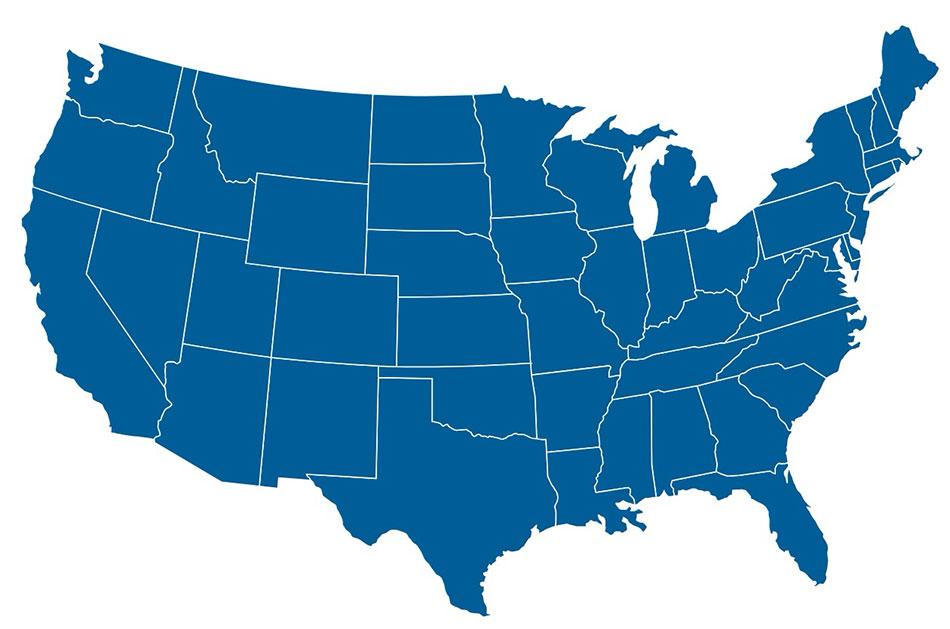
Our strong National presence helps our customers obtain surety bonds in all 50 states.
[/et_pb_toggle]
”COMMERCIAL

COMMERCIAL BONDS

Commercial bonds, often called a license or permit bond, are typically required by a government entity as a requirement for business or individuals to stay in compliance with regulations. These bonds are easy to apply for and in most cases are quoted on the same business day.

The most common types of commercial bonds

”CONTRACT

CONTRACT BONDS

Contract bonds, used heavily in the construction industry by general contractors as a part of construction law, are a guarantee from a surety to a project’s owner (obligee) that a general contractor (principal) will adhere to the provisions of a contract. Contract bonds are not the same thing as contractor’s license bonds, which may be required as part of a license.

”COURT

COURT BONDS

FAST. CHEAP. BONDED.

Court bonds are those bonds prescribed by statute and relate to the courts. They are further broken down into judicial bonds and fiduciary bonds. Judicial bonds arise out of litigation and are posted by parties seeking court remedies or defending against legal actions seeking court remedies. Fiduciary, or probate, bonds are filed in probate courts and courts that exercise equitable jurisdiction; they guarantee that applicants whom such courts have entrusted with the care of others property will perform their specified duties faithfully.
[/et_pb_column][/et_pb_row][/et_pb_section]

Texas Auto Dealer Bond Requirements

The Texas Department of Motor Vehicles (TxDMV) requires most independent dealers to obtain a $50,000 motor vehicle dealer surety bond before receiving a General Distinguishing Number (GDN) license. This requirement applies to independent motor vehicle dealers, motorcycle dealers, wholesale dealers, mobility vehicle dealers, and wholesale auctions. Separate bonds may be required for different GDN categories.

Texas uses the term “motor vehicle dealer surety bond” for this license requirement. The bond protects consumers and the state if a dealer violates licensing laws, fails to transfer titles correctly, or does not comply with tax and fee requirements.

The bond must remain active throughout the license period. JM Surety helps Texas dealers secure their required bond quickly, including applicants with credit challenges.

Indiana Auto Dealer Bond Requirements

The Indiana Secretary of State Auto Dealer Services Division requires dealers to carry a $25,000 auto dealer bond as part of the licensing process. The bond guarantees payment of fines, fees, penalties, and other obligations assessed by the state.

Indiana requires dealers to use the current State Form 53966 bond form. As of October 1, 2024, bond updates and insurance changes must be submitted electronically through the Dealer Portal rather than by mail or email. Dealers should also note that unsigned bond forms are one of the most common causes of application delays.

If bond coverage lapses or is canceled, the dealer license may be suspended until replacement coverage is filed. JM Surety helps Indiana dealers complete the bonding process quickly and submit compliant bond documentation.

Kansas Auto Dealer Bond Requirements

Kansas requires both new and used motor vehicle dealers to maintain a $50,000 dealer surety bond. The Kansas Department of Revenue oversees dealer licensing requirements and requires the bond before issuing or renewing a dealer license.

The bond protects consumers from fraud, title violations, and other licensing issues. Kansas law also allows dealers to provide a $50,000 cash or securities deposit with the state treasurer instead of a surety bond, although most dealers choose the bond option because it requires significantly less upfront capital.

The required bond amount does not currently differ between new and used vehicle dealers. JM Surety works with Kansas dealers to issue compliant bonds that meet state licensing standards.

Kentucky Auto Dealer Bond Requirements

Kentucky dealer bond requirements are regulated through the Kentucky Motor Vehicle Commission. Unlike many states that require a fixed bond amount for every dealer, Kentucky allows the Commission to determine whether a bond is required and what amount is necessary based on the applicant’s business structure and financial condition.

For many applicants, the bond amount can reach up to $100,000. Auction dealers may be required to carry even higher bond limits depending on their operations. In some cases, dealers may provide proof of sufficient assets or other financial responsibility arrangements instead of a surety bond.

Because Kentucky requirements can vary significantly by dealer type and financial background, dealers often benefit from reviewing their licensing requirements carefully before applying. JM Surety helps Kentucky applicants determine the correct bond requirement and secure coverage efficiently.

Illinois Auto Dealer Bond Requirements

Illinois requires many vehicle dealers to carry a $50,000 dealer bond as part of the licensing process. The Illinois Secretary of State uses the bond to protect consumers and ensure dealers properly remit title fees, registration fees, taxes, and other state obligations.

Illinois bond forms include a cancellation provision requiring at least 30 days’ notice to the Secretary of State before termination. Dealers must maintain continuous bond coverage to keep their license active and compliant.

The bond requirement commonly applies to designated agent dealers and other licensed vehicle dealers handling title and registration transactions. JM Surety helps Illinois dealers obtain the correct bond form and maintain uninterrupted coverage during renewals.

Pennsylvania Auto Dealer Bond Requirements

Pennsylvania dealer bond requirements vary based on license type. The Pennsylvania Department of Transportation (PennDOT) generally requires motor vehicle dealers and manufacturers to maintain a $20,000 bond for each licensed business location.

Some license categories require different bond amounts. For example, messenger services may require a $50,000 bond, while full agents may require $30,000 coverage. Salvor licenses and card agent licenses have separate bond thresholds as well.

Pennsylvania bonds are typically continuous until canceled and usually require advance notice before termination. Dealers with multiple locations may need additional bond coverage depending on the license structure. JM Surety helps Pennsylvania dealers determine the appropriate bond amount for their specific license category.

Minnesota Auto Dealer Bond Requirements

The Minnesota Driver and Vehicle Services division requires most motor vehicle dealers to carry a $50,000 surety bond. This requirement applies to many dealer categories, including new vehicle dealers, used vehicle dealers, wholesalers, and brokers.

Minnesota uses the bond to protect consumers against fraud, title violations, and unpaid fees or taxes. Certain specialty dealer categories, such as dealers selling motorized bicycles or snowmobile trailers, may qualify for a lower $5,000 bond requirement instead.

The bond must remain active throughout the dealer license period to maintain compliance with state regulations. JM Surety helps Minnesota dealers secure the proper bond quickly and provides renewal support to help avoid licensing interruptions.

Michigan Auto Dealer Bond Requirements

Michigan requires Class A, Class B, and Class D dealers to maintain a $25,000 dealer surety bond. The Michigan Department of State increased the required bond amount from $10,000 to $25,000 in 2023.

This bond protects consumers and the state against dealer fraud, misrepresentation, failure to transfer titles, and unpaid taxes or fees. The requirement applies to many dealer categories, including new vehicle dealers, used vehicle dealers, and vehicle brokers.

Michigan dealers must maintain active bond coverage throughout the licensing period. A lapse in bond coverage can affect license status and renewal eligibility. JM Surety helps Michigan dealers obtain compliant bond coverage with fast approvals and competitive rates.

Testimonials

Texas Auto Dealer Bond Requirements

The Texas Department of Motor Vehicles (TxDMV) requires most independent dealers to obtain a $50,000 motor vehicle dealer surety bond before receiving a General Distinguishing Number (GDN) license. This requirement applies to independent motor vehicle dealers, motorcycle dealers, wholesale dealers, mobility vehicle dealers, and wholesale auctions. Separate bonds may be required for different GDN categories.

Texas uses the term “motor vehicle dealer surety bond” for this license requirement. The bond protects consumers and the state if a dealer violates licensing laws, fails to transfer titles correctly, or does not comply with tax and fee requirements.

The bond must remain active throughout the license period. JM Surety helps Texas dealers secure their required bond quickly, including applicants with credit challenges.

Indiana Auto Dealer Bond Requirements

The Indiana Secretary of State Auto Dealer Services Division requires dealers to carry a $25,000 auto dealer bond as part of the licensing process. The bond guarantees payment of fines, fees, penalties, and other obligations assessed by the state.

Indiana requires dealers to use the current State Form 53966 bond form. As of October 1, 2024, bond updates and insurance changes must be submitted electronically through the Dealer Portal rather than by mail or email. Dealers should also note that unsigned bond forms are one of the most common causes of application delays.

If bond coverage lapses or is canceled, the dealer license may be suspended until replacement coverage is filed. JM Surety helps Indiana dealers complete the bonding process quickly and submit compliant bond documentation.

Kansas Auto Dealer Bond Requirements

Kansas requires both new and used motor vehicle dealers to maintain a $50,000 dealer surety bond. The Kansas Department of Revenue oversees dealer licensing requirements and requires the bond before issuing or renewing a dealer license.

The bond protects consumers from fraud, title violations, and other licensing issues. Kansas law also allows dealers to provide a $50,000 cash or securities deposit with the state treasurer instead of a surety bond, although most dealers choose the bond option because it requires significantly less upfront capital.

The required bond amount does not currently differ between new and used vehicle dealers. JM Surety works with Kansas dealers to issue compliant bonds that meet state licensing standards.

Kentucky Auto Dealer Bond Requirements

Kentucky dealer bond requirements are regulated through the Kentucky Motor Vehicle Commission. Unlike many states that require a fixed bond amount for every dealer, Kentucky allows the Commission to determine whether a bond is required and what amount is necessary based on the applicant’s business structure and financial condition.

For many applicants, the bond amount can reach up to $100,000. Auction dealers may be required to carry even higher bond limits depending on their operations. In some cases, dealers may provide proof of sufficient assets or other financial responsibility arrangements instead of a surety bond.

Because Kentucky requirements can vary significantly by dealer type and financial background, dealers often benefit from reviewing their licensing requirements carefully before applying. JM Surety helps Kentucky applicants determine the correct bond requirement and secure coverage efficiently.

Illinois Auto Dealer Bond Requirements

Illinois requires many vehicle dealers to carry a $50,000 dealer bond as part of the licensing process. The Illinois Secretary of State uses the bond to protect consumers and ensure dealers properly remit title fees, registration fees, taxes, and other state obligations.

Illinois bond forms include a cancellation provision requiring at least 30 days’ notice to the Secretary of State before termination. Dealers must maintain continuous bond coverage to keep their license active and compliant.

The bond requirement commonly applies to designated agent dealers and other licensed vehicle dealers handling title and registration transactions. JM Surety helps Illinois dealers obtain the correct bond form and maintain uninterrupted coverage during renewals.

Pennsylvania Auto Dealer Bond Requirements

Pennsylvania dealer bond requirements vary based on license type. The Pennsylvania Department of Transportation (PennDOT) generally requires motor vehicle dealers and manufacturers to maintain a $20,000 bond for each licensed business location.

Some license categories require different bond amounts. For example, messenger services may require a $50,000 bond, while full agents may require $30,000 coverage. Salvor licenses and card agent licenses have separate bond thresholds as well.

Pennsylvania bonds are typically continuous until canceled and usually require advance notice before termination. Dealers with multiple locations may need additional bond coverage depending on the license structure. JM Surety helps Pennsylvania dealers determine the appropriate bond amount for their specific license category.

Minnesota Auto Dealer Bond Requirements

The Minnesota Driver and Vehicle Services division requires most motor vehicle dealers to carry a $50,000 surety bond. This requirement applies to many dealer categories, including new vehicle dealers, used vehicle dealers, wholesalers, and brokers.

Minnesota uses the bond to protect consumers against fraud, title violations, and unpaid fees or taxes. Certain specialty dealer categories, such as dealers selling motorized bicycles or snowmobile trailers, may qualify for a lower $5,000 bond requirement instead.

The bond must remain active throughout the dealer license period to maintain compliance with state regulations. JM Surety helps Minnesota dealers secure the proper bond quickly and provides renewal support to help avoid licensing interruptions.

Michigan Auto Dealer Bond Requirements

Michigan requires Class A, Class B, and Class D dealers to maintain a $25,000 dealer surety bond. The Michigan Department of State increased the required bond amount from $10,000 to $25,000 in 2023.

This bond protects consumers and the state against dealer fraud, misrepresentation, failure to transfer titles, and unpaid taxes or fees. The requirement applies to many dealer categories, including new vehicle dealers, used vehicle dealers, and vehicle brokers.

Michigan dealers must maintain active bond coverage throughout the licensing period. A lapse in bond coverage can affect license status and renewal eligibility. JM Surety helps Michigan dealers obtain compliant bond coverage with fast approvals and competitive rates.

Texas Auto Dealer Bond Requirements

The Texas Department of Motor Vehicles (TxDMV) requires most independent dealers to obtain a $50,000 motor vehicle dealer surety bond before receiving a General Distinguishing Number (GDN) license. This requirement applies to independent motor vehicle dealers, motorcycle dealers, wholesale dealers, mobility vehicle dealers, and wholesale auctions. Separate bonds may be required for different GDN categories.

Texas uses the term “motor vehicle dealer surety bond” for this license requirement. The bond protects consumers and the state if a dealer violates licensing laws, fails to transfer titles correctly, or does not comply with tax and fee requirements.

The bond must remain active throughout the license period. JM Surety helps Texas dealers secure their required bond quickly, including applicants with credit challenges.

Indiana Auto Dealer Bond Requirements

The Indiana Secretary of State Auto Dealer Services Division requires dealers to carry a $25,000 auto dealer bond as part of the licensing process. The bond guarantees payment of fines, fees, penalties, and other obligations assessed by the state.

Indiana requires dealers to use the current State Form 53966 bond form. As of October 1, 2024, bond updates and insurance changes must be submitted electronically through the Dealer Portal rather than by mail or email. Dealers should also note that unsigned bond forms are one of the most common causes of application delays.

If bond coverage lapses or is canceled, the dealer license may be suspended until replacement coverage is filed. JM Surety helps Indiana dealers complete the bonding process quickly and submit compliant bond documentation.

Kansas Auto Dealer Bond Requirements

Kansas requires both new and used motor vehicle dealers to maintain a $50,000 dealer surety bond. The Kansas Department of Revenue oversees dealer licensing requirements and requires the bond before issuing or renewing a dealer license.

The bond protects consumers from fraud, title violations, and other licensing issues. Kansas law also allows dealers to provide a $50,000 cash or securities deposit with the state treasurer instead of a surety bond, although most dealers choose the bond option because it requires significantly less upfront capital.

The required bond amount does not currently differ between new and used vehicle dealers. JM Surety works with Kansas dealers to issue compliant bonds that meet state licensing standards.

Kentucky Auto Dealer Bond Requirements

Kentucky dealer bond requirements are regulated through the Kentucky Motor Vehicle Commission. Unlike many states that require a fixed bond amount for every dealer, Kentucky allows the Commission to determine whether a bond is required and what amount is necessary based on the applicant’s business structure and financial condition.

For many applicants, the bond amount can reach up to $100,000. Auction dealers may be required to carry even higher bond limits depending on their operations. In some cases, dealers may provide proof of sufficient assets or other financial responsibility arrangements instead of a surety bond.

Because Kentucky requirements can vary significantly by dealer type and financial background, dealers often benefit from reviewing their licensing requirements carefully before applying. JM Surety helps Kentucky applicants determine the correct bond requirement and secure coverage efficiently.

Illinois Auto Dealer Bond Requirements

Illinois requires many vehicle dealers to carry a $50,000 dealer bond as part of the licensing process. The Illinois Secretary of State uses the bond to protect consumers and ensure dealers properly remit title fees, registration fees, taxes, and other state obligations.

Illinois bond forms include a cancellation provision requiring at least 30 days’ notice to the Secretary of State before termination. Dealers must maintain continuous bond coverage to keep their license active and compliant.

The bond requirement commonly applies to designated agent dealers and other licensed vehicle dealers handling title and registration transactions. JM Surety helps Illinois dealers obtain the correct bond form and maintain uninterrupted coverage during renewals.

Pennsylvania Auto Dealer Bond Requirements

Pennsylvania dealer bond requirements vary based on license type. The Pennsylvania Department of Transportation (PennDOT) generally requires motor vehicle dealers and manufacturers to maintain a $20,000 bond for each licensed business location.

Some license categories require different bond amounts. For example, messenger services may require a $50,000 bond, while full agents may require $30,000 coverage. Salvor licenses and card agent licenses have separate bond thresholds as well.

Pennsylvania bonds are typically continuous until canceled and usually require advance notice before termination. Dealers with multiple locations may need additional bond coverage depending on the license structure. JM Surety helps Pennsylvania dealers determine the appropriate bond amount for their specific license category.

Minnesota Auto Dealer Bond Requirements

The Minnesota Driver and Vehicle Services division requires most motor vehicle dealers to carry a $50,000 surety bond. This requirement applies to many dealer categories, including new vehicle dealers, used vehicle dealers, wholesalers, and brokers.

Minnesota uses the bond to protect consumers against fraud, title violations, and unpaid fees or taxes. Certain specialty dealer categories, such as dealers selling motorized bicycles or snowmobile trailers, may qualify for a lower $5,000 bond requirement instead.

The bond must remain active throughout the dealer license period to maintain compliance with state regulations. JM Surety helps Minnesota dealers secure the proper bond quickly and provides renewal support to help avoid licensing interruptions.

Michigan Auto Dealer Bond Requirements

Michigan requires Class A, Class B, and Class D dealers to maintain a $25,000 dealer surety bond. The Michigan Department of State increased the required bond amount from $10,000 to $25,000 in 2023.

This bond protects consumers and the state against dealer fraud, misrepresentation, failure to transfer titles, and unpaid taxes or fees. The requirement applies to many dealer categories, including new vehicle dealers, used vehicle dealers, and vehicle brokers.

Michigan dealers must maintain active bond coverage throughout the licensing period. A lapse in bond coverage can affect license status and renewal eligibility. JM Surety helps Michigan dealers obtain compliant bond coverage with fast approvals and competitive rates.

Texas Auto Dealer Bond Requirements

The Texas Department of Motor Vehicles (TxDMV) requires most independent dealers to obtain a $50,000 motor vehicle dealer surety bond before receiving a General Distinguishing Number (GDN) license. This requirement applies to independent motor vehicle dealers, motorcycle dealers, wholesale dealers, mobility vehicle dealers, and wholesale auctions. Separate bonds may be required for different GDN categories.

Texas uses the term “motor vehicle dealer surety bond” for this license requirement. The bond protects consumers and the state if a dealer violates licensing laws, fails to transfer titles correctly, or does not comply with tax and fee requirements.

The bond must remain active throughout the license period. JM Surety helps Texas dealers secure their required bond quickly, including applicants with credit challenges.

Indiana Auto Dealer Bond Requirements

The Indiana Secretary of State Auto Dealer Services Division requires dealers to carry a $25,000 auto dealer bond as part of the licensing process. The bond guarantees payment of fines, fees, penalties, and other obligations assessed by the state.

Indiana requires dealers to use the current State Form 53966 bond form. As of October 1, 2024, bond updates and insurance changes must be submitted electronically through the Dealer Portal rather than by mail or email. Dealers should also note that unsigned bond forms are one of the most common causes of application delays.

If bond coverage lapses or is canceled, the dealer license may be suspended until replacement coverage is filed. JM Surety helps Indiana dealers complete the bonding process quickly and submit compliant bond documentation.

Kansas Auto Dealer Bond Requirements

Kansas requires both new and used motor vehicle dealers to maintain a $50,000 dealer surety bond. The Kansas Department of Revenue oversees dealer licensing requirements and requires the bond before issuing or renewing a dealer license.

The bond protects consumers from fraud, title violations, and other licensing issues. Kansas law also allows dealers to provide a $50,000 cash or securities deposit with the state treasurer instead of a surety bond, although most dealers choose the bond option because it requires significantly less upfront capital.

The required bond amount does not currently differ between new and used vehicle dealers. JM Surety works with Kansas dealers to issue compliant bonds that meet state licensing standards.

Kentucky Auto Dealer Bond Requirements

Kentucky dealer bond requirements are regulated through the Kentucky Motor Vehicle Commission. Unlike many states that require a fixed bond amount for every dealer, Kentucky allows the Commission to determine whether a bond is required and what amount is necessary based on the applicant’s business structure and financial condition.

For many applicants, the bond amount can reach up to $100,000. Auction dealers may be required to carry even higher bond limits depending on their operations. In some cases, dealers may provide proof of sufficient assets or other financial responsibility arrangements instead of a surety bond.

Because Kentucky requirements can vary significantly by dealer type and financial background, dealers often benefit from reviewing their licensing requirements carefully before applying. JM Surety helps Kentucky applicants determine the correct bond requirement and secure coverage efficiently.

Illinois Auto Dealer Bond Requirements

Illinois requires many vehicle dealers to carry a $50,000 dealer bond as part of the licensing process. The Illinois Secretary of State uses the bond to protect consumers and ensure dealers properly remit title fees, registration fees, taxes, and other state obligations.

Illinois bond forms include a cancellation provision requiring at least 30 days’ notice to the Secretary of State before termination. Dealers must maintain continuous bond coverage to keep their license active and compliant.

The bond requirement commonly applies to designated agent dealers and other licensed vehicle dealers handling title and registration transactions. JM Surety helps Illinois dealers obtain the correct bond form and maintain uninterrupted coverage during renewals.

Pennsylvania Auto Dealer Bond Requirements

Pennsylvania dealer bond requirements vary based on license type. The Pennsylvania Department of Transportation (PennDOT) generally requires motor vehicle dealers and manufacturers to maintain a $20,000 bond for each licensed business location.

Some license categories require different bond amounts. For example, messenger services may require a $50,000 bond, while full agents may require $30,000 coverage. Salvor licenses and card agent licenses have separate bond thresholds as well.

Pennsylvania bonds are typically continuous until canceled and usually require advance notice before termination. Dealers with multiple locations may need additional bond coverage depending on the license structure. JM Surety helps Pennsylvania dealers determine the appropriate bond amount for their specific license category.

Minnesota Auto Dealer Bond Requirements

The Minnesota Driver and Vehicle Services division requires most motor vehicle dealers to carry a $50,000 surety bond. This requirement applies to many dealer categories, including new vehicle dealers, used vehicle dealers, wholesalers, and brokers.

Minnesota uses the bond to protect consumers against fraud, title violations, and unpaid fees or taxes. Certain specialty dealer categories, such as dealers selling motorized bicycles or snowmobile trailers, may qualify for a lower $5,000 bond requirement instead.

The bond must remain active throughout the dealer license period to maintain compliance with state regulations. JM Surety helps Minnesota dealers secure the proper bond quickly and provides renewal support to help avoid licensing interruptions.

Michigan Auto Dealer Bond Requirements

Michigan requires Class A, Class B, and Class D dealers to maintain a $25,000 dealer surety bond. The Michigan Department of State increased the required bond amount from $10,000 to $25,000 in 2023.

This bond protects consumers and the state against dealer fraud, misrepresentation, failure to transfer titles, and unpaid taxes or fees. The requirement applies to many dealer categories, including new vehicle dealers, used vehicle dealers, and vehicle brokers.

Michigan dealers must maintain active bond coverage throughout the licensing period. A lapse in bond coverage can affect license status and renewal eligibility. JM Surety helps Michigan dealers obtain compliant bond coverage with fast approvals and competitive rates.

I server di gioco più veloci sono un'esclusiva dei casino online migliori da noi testati.

пинко казио

Həftəlik cashback imkanları pinco casino az ilə daha maraqlıdır.

пинко казино

Hledáte spolehlivou platformu pro sázení? Mostbet je vaše nejlepší volba.

Per un'esperienza senza intoppi, scegli solo i casino non aams sicuri verificati dai nostri tecnici.